



Hoofdstuk vooruitgang
0% voltooid

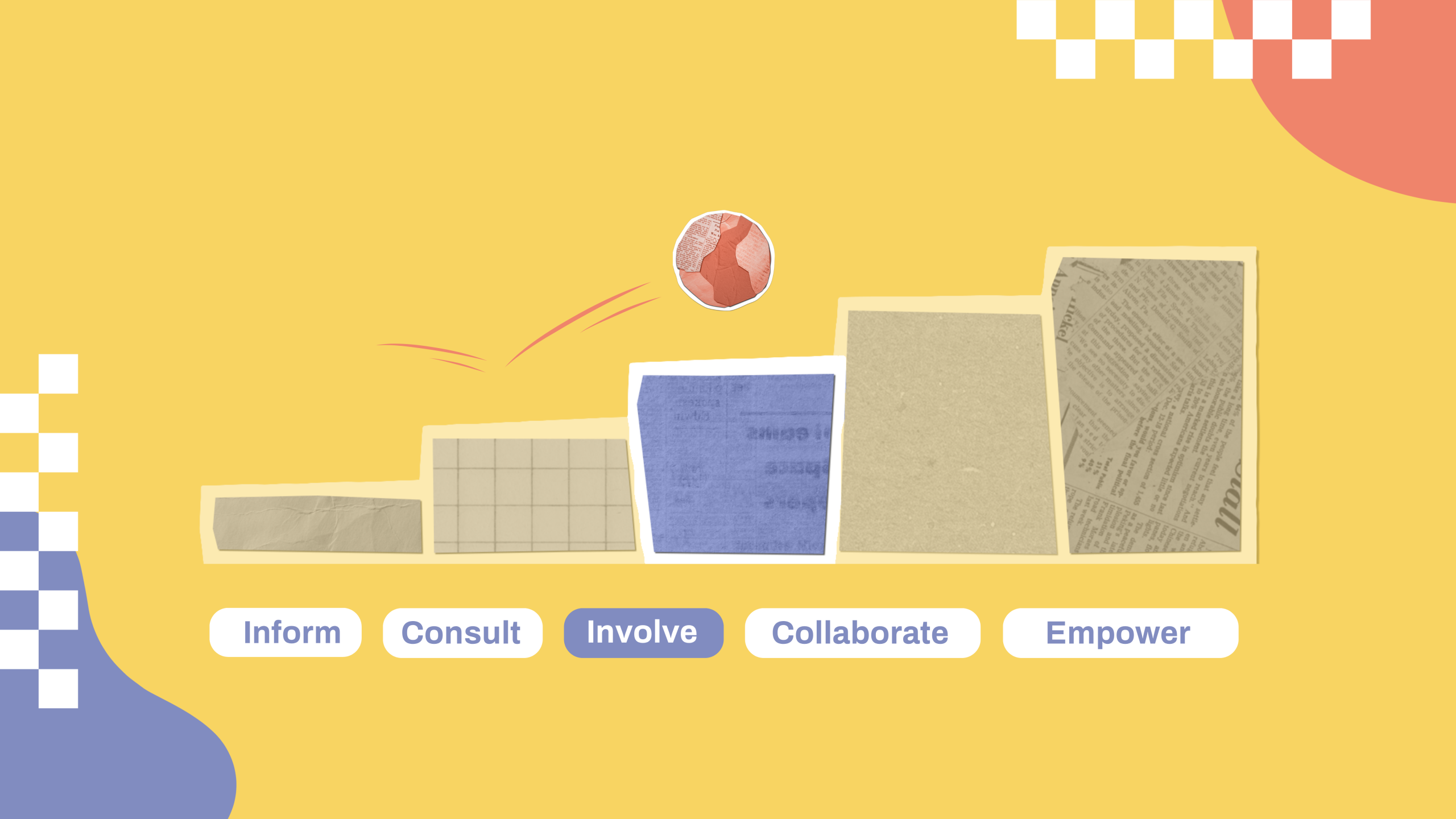
The next step on the spectrum goes one step further than simply informing citizens. It opens the door to citizens’ perspectives. Here, the focus shifts from only sharing information to asking people what they think, experience, need or worry about.

What's the main purpose?

Citizens help frame the problem, explore options, and develop solutions together.

What can you do?

You can use involvement to explore a problem together with citizens, understand what really matters to people, discuss different options or scenarios, develop ideas or proposals together, and identify concerns, opportunities and trade-offs. Citizens are given the time, information and tools they need to contribute meaningfully.

Why it matters?

Involvement creates more space for shared learning and co-creation. It helps public authorities and organisations understand citizens’ concerns more deeply and makes sure their perspectives are considered before decisions are made.

Your promise to citizens:

“We wil work with you to ensure your concerns and aspirations will be taken seriously and considered in the next steps of decision-making, but the final decision still remains with the government or organisation.”

Which concrete methods could you use?

  • Workshops or co-design sessions;
  • Deliberative forums, citizens’ panels or citizens’ assemblies (deliberative);
  • Participatory scenario-building exercises;
  • Stakeholder roundtable;
  • Advisory groups and thematic working groups.
Dia 1 van 1 wordt weergegeven

Lessons from the field

Citizens' Assemblies

In this video, Anne (Drenthe) and Elin (Malmö) take a deep dive into citizens’ assemblies, explaining why they chose this format, how they designed it and what they learned.

Climate Citizens' Assembly - City of Malmö

Malmö turned residents' insights into concrete proposals for the city's climate transition.

2026 Citizens’ Assembly on Mobility - Province of Drenthe

Residents are shaping a mobility programme that makes the province of Drenthe accessible for everyone.

Citizens' Assembly on Housing - Province of Drenthe

Residents shaped concrete, widely-supported recommendations for the province's housing policy.

Citizens' Assembly on Masterplan Binnendijle - City of Mechelen

Residents helped shape the vision for reconnecting Mechelen with its river through the Binnendijle Masterplan.

Vocie of nature - City of Mechelen

Mechelen's citizens' assembly gave nature a voice in shaping the future of the Binnendijle river.

Lessons from the field

Other involvement methods

In this video, Mark (Mechelen) and Sina (Oldenburg) explain why they chose to involve their citizens and how they went about it.

Beer coasters - City of Oldenburg

Oldenburg sparks informal dialogue between citizens and administration on the city's future.

Your Ideas for Our City - City of Oldenburg

Young residents shaped ideas for sustainable urban development during though a workshop.

Community-based dialogues - City of Malmö

Residents from three neighbourhoods explored sufficiency and sustainable living through community dialogues and workshops.

Citizen Participation for Oldenburg’s Integrated Urban Development Plan (ISEK)

Residents are helping shape the Oldenburg's future through the ISEK participation process.

The Case of Bellidée

Strengthening and giving community a real voice

In this video, Serena (Bellidée) shifts the focus away from local administrations and governments. She tells us how the French organisation Bellidée strengthens citizens at the local level and helps amplify their voices, and takes us through their practice: how they involve citizens, and how those citizens play a central role in shaping the organisation’s activities and priorities.

Courtesy Visits - Bellidée

Bellidée is tackling loneliness among seniors through volunteer companionship.

User Committees - Bellidée

Bellidée has been giving residents a voice in shaping local services for years.