
Citizen engagement: from promise to practice
-
Chapter 1: Introduction2 Paragrafen
-
Chapter 2: Start with the right questions5 Paragrafen
-
Chapter 3: Designing the participation process6 Paragrafen
-
Chapter 4: Making participation succeed6 Paragrafen
-
Chapter 5: Understanding the impact of participation4 Paragrafen
-
Chapter 6: Skills, capacity, policies and governance needed4 Paragrafen
-
Chapter 7: Final thoughts1 Paragraaf
2.3. What timing and resources are required?
To run an effective participation process, treat it as a full-scale project. Secure the right logistics from the start: a team with the right skills, strong back-office support, and enough time for real dialogue. Most importantly, align your timing with the decision-making process. That’s how citizen input actually shapes the final outcome.
Step 1: Bring together a dedicated team.
Combine process design, communication, data analysis, and conflict management in one team. Give each person a clear role. Tools and methods support the work. Human judgment guides the dialogue.
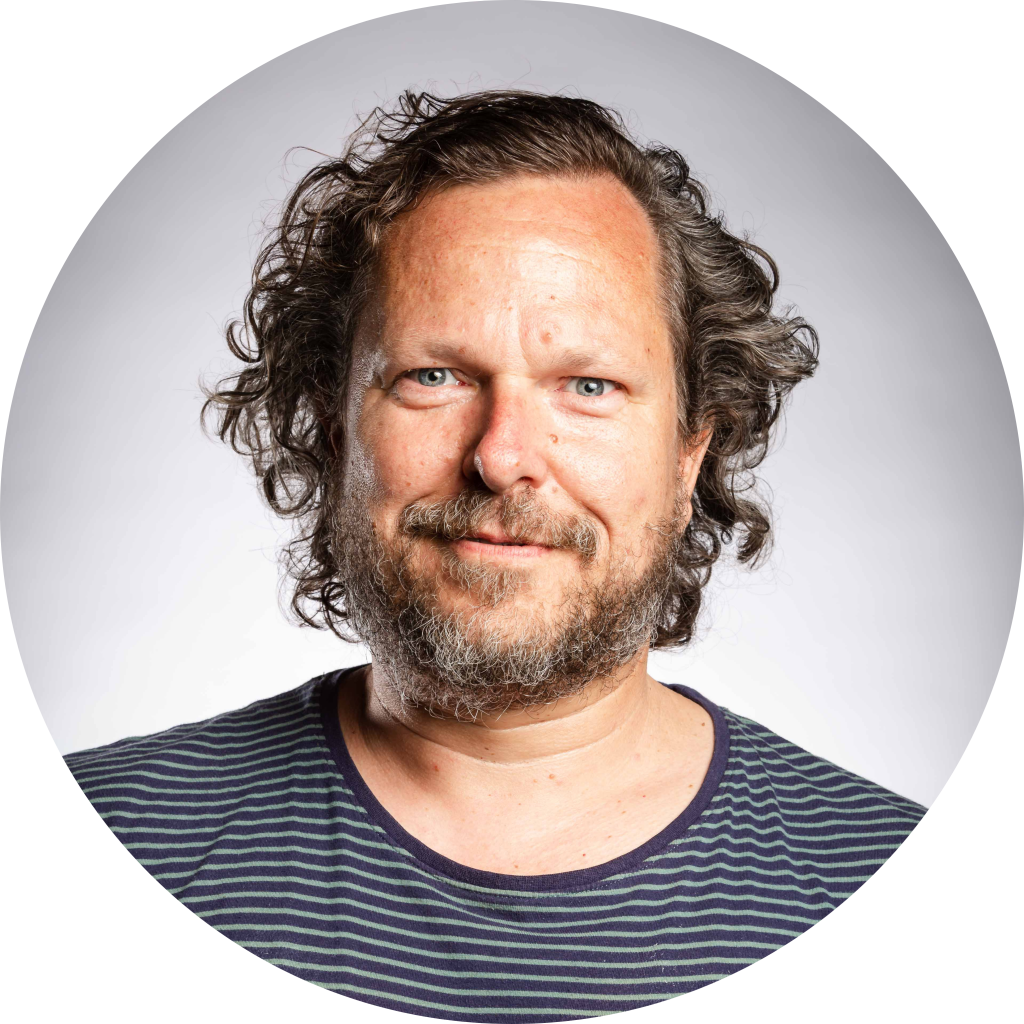
Good participation takes many skills: planning, facilitation, communication, analysis, and follow-up. It helps to build broad support, so the participation process isn't carried by one small team alone. In Mechelen, we brought in colleagues from communication, programme management and technical services, alongside students from Thomas More University of Applied Sciences, external consultants and neutral facilitators. The lesson is simple: you don't need all the expertise in one team. Sometimes, good participation just means bringing the right people together.
Mark from Mechelen
For further insight into skills, go to Chapter 6: Skills, capacity, policies and governance needed.

Step 2: Define clear roles.

We had a large team, but we struggled to define clear roles and appoint a coordinator for the project, which led to confusion along the way. It showed us that even with enough people, unclear responsibilities can still cause problems. Participation needs strong coordination and a clear division of tasks.
Daniela from Oldenburg
Step 3: Organise solid back-office support.
The visible part of participation is the meeting, workshop, panel, or dialogue. But much of the real work happens behind the scenes. Back-office support includes preparing materials, managing invitations, coordinating departments, answering participant questions, documenting discussions, analysing input, writing summaries, checking feasibility, and preparing follow-up. This internal work is essential to keep the process running smoothly

The Malmö Climate Citizens' Assembly shows how much work happens after the public part is over. Once the assembly ended, the city still needed several months to look at the proposals, organise workshops across departments, prepare the political follow-up, and link the recommendations to existing climate work. Participation doesn't end when the meeting does. The work that happens behind the scenes is what actually turns input into something real.
Monika from Malmö
Step 4: Give participation enough time.
Meaningful participation cannot be rushed. People need sufficient time to understand the issue, reflect on the information, discuss it with others, consider different perspectives and form their views. This is especially important when the topic is complex, technical, or sensitive.
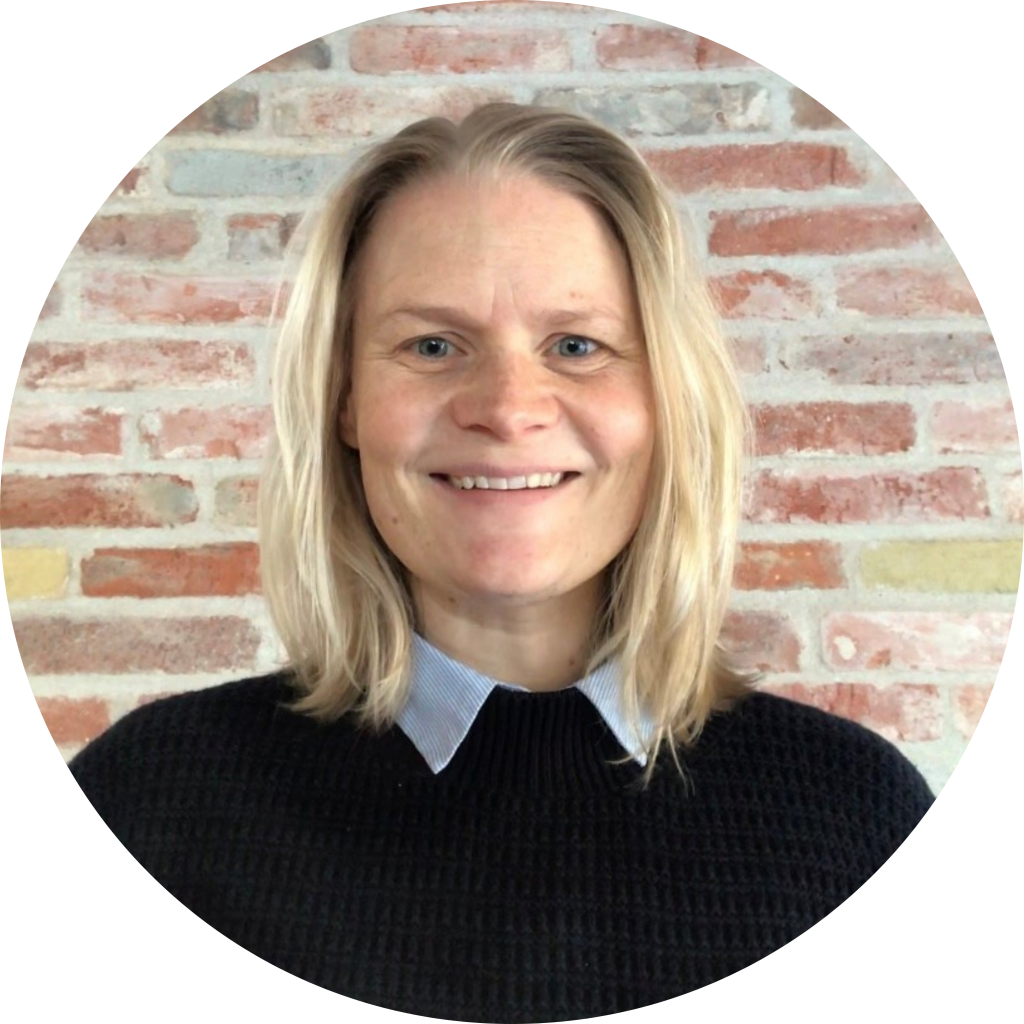
The climate villages showed that participation needs time beyond the planned activities. It was possible to mobilise people at the start, but harder to keep them engaged over time. Sustained participation required time for relationship-building, facilitation, coordination, communication, and follow-up. The lesson was clear: people need time to get involved, and the process needs time to keep them involved.
Signe from Skive
Step 5: Be mindful of timing.
Last but not least: get the timing right. The participation process needs to connect to actual decision-making. Citizen input must arrive when plans are still open and decisions can still be shaped. If people are invited after key decisions have already been made, participation becomes symbolic. This damages trust. So map the decision-making process before you start. Know when political, legal, administrative, or budget decisions will be made. Then design participation around those moments.
Timing matters just as much as resources. Engagement should follow the real rhythm of policy and decision-making. Citizens need to be involved while there's still room to shape the issue, options, and decisions. If participation happens too late, it risks creating frustration instead of trust. Mechelen's Binnendijle case shows this in practice: the citizens' assembly was deliberately placed at the very start of the Masterplan process, so its principles could shape both the design and every participation step that followed.
Mark from Mechelen